Putin: Indonesia One of Russia’s Key Partners in Southeast Asia
/ Go to the mediabankRussian President Vladimir Putin and Indonesian counterpart Prabowo Subianto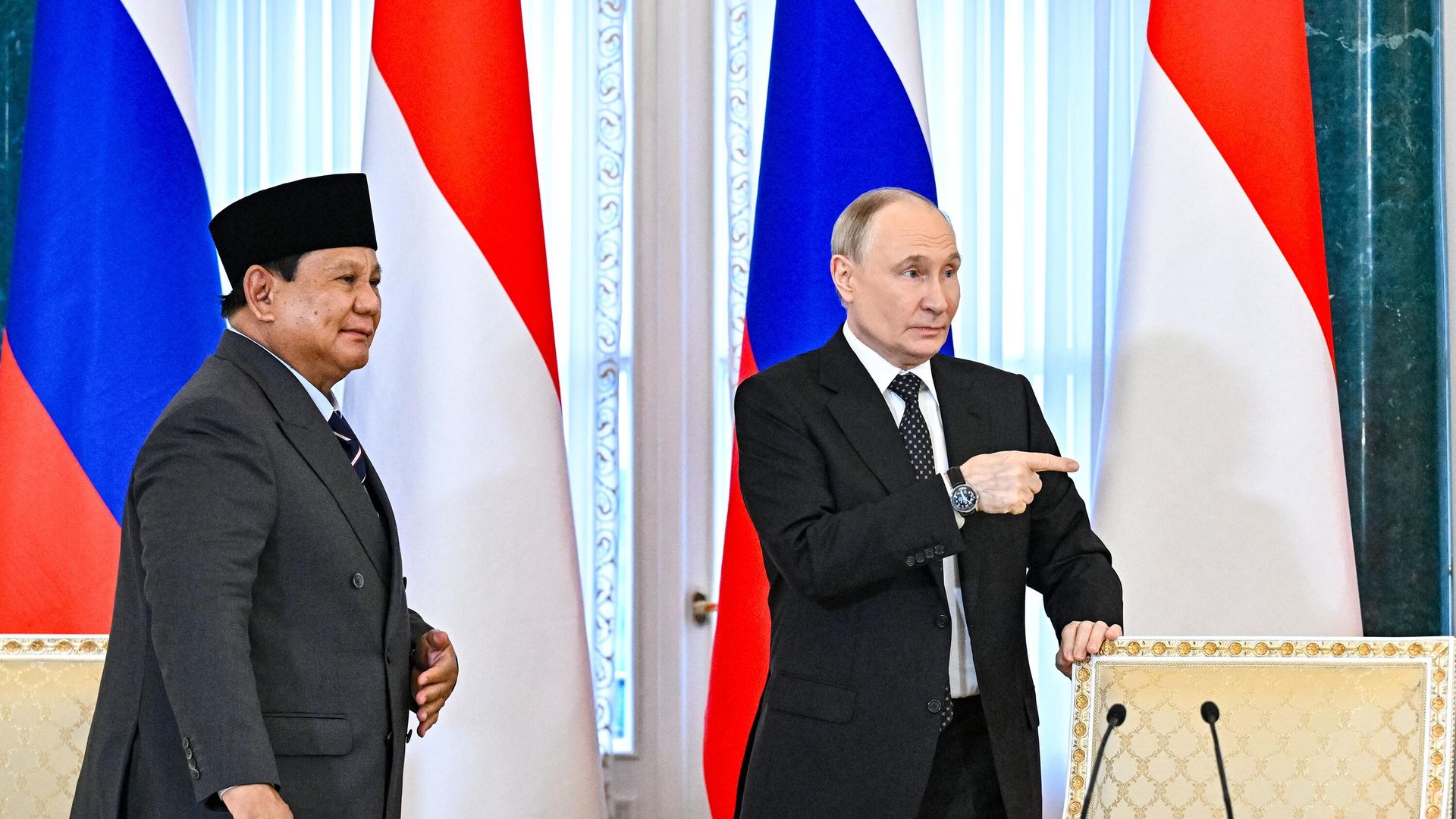 / Go to the mediabank
Russian President Vladimir Putin met with Indonesian сounterpart Prabowo Subianto on the sidelines of the 2026 Eastern Economic Forum in Vladivostok. «Indonesia is one of Russia’s key partners in Southeast Asia. We have been bound by ties of friendship for many years,» Putin said.He thanked his Indonesian counterpart for his visit and for agreeing to participate in the 2026 Eastern Economic Forum as a guest of honor.“Bilateral trade is developing and continues to grow. Last year, it increased by more than 12%,” Putin added.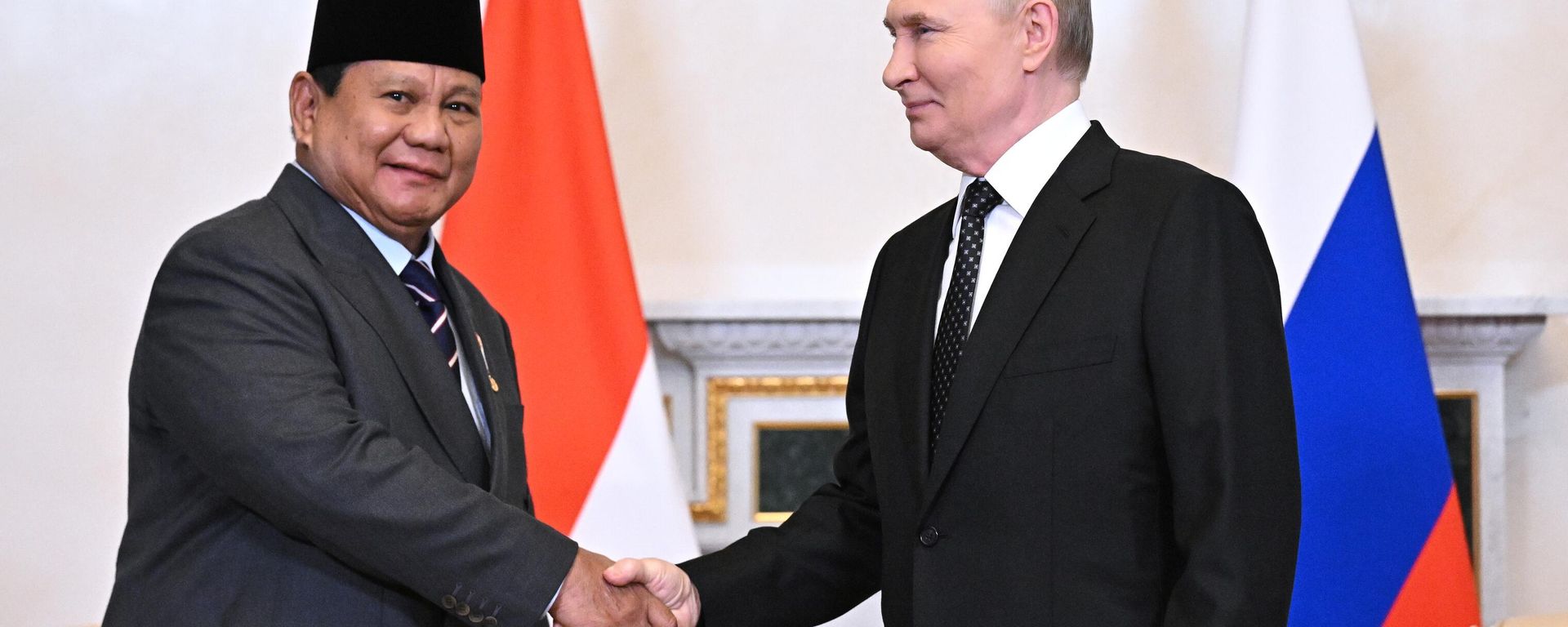 WorldIndonesia Ready to Increase Import of Russian Oil — Energy Minister25 June, 07:28 GMTThe Russian president also mentioned the work of a dedicated bilateral commission on trade, economic and technical cooperation. “Our cooperation covers agriculture, shipbuilding, information technology and energy, including nuclear energy,” Putin emphasized.For his part, Indonesian President Prabowo Subianto stressed the need to strengthen maritime cooperation with Russia.
“We are both part of the Pacific region, and cooperation in the maritime sector and in improving connectivity is very important to us,” Subianto noted.
He also highlighted the benefits of Indonesia’s participation in the Eastern Economic Forum, which he said «provides a great opportunity to strengthen cooperation in our region.” 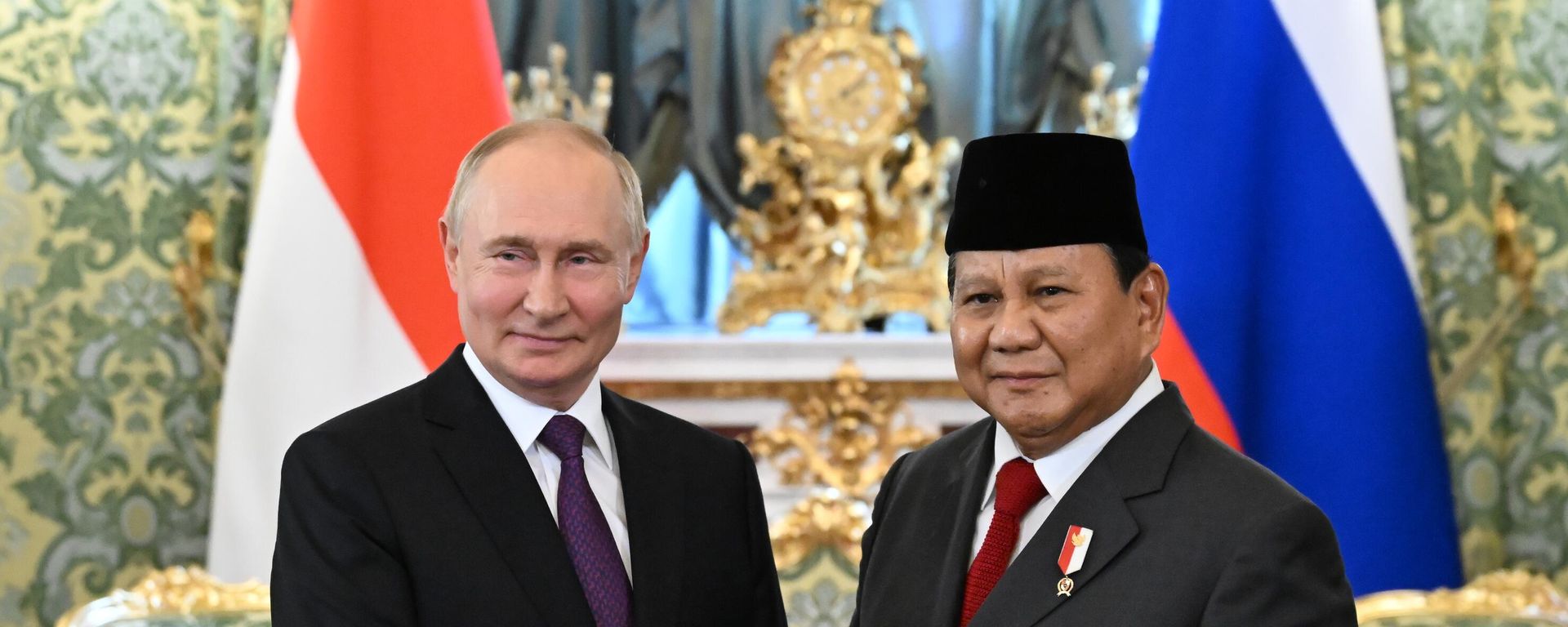 WorldRussia-Indonesia Ties Successfully Thriving, Putin Emphasizes17 August, 06:56 GMT
This is Prabowo Subianto’s second visit to Russia in 2026 and the sixth high-level contact between the leaders of the two countries. Indonesia is now one of Russia’s key partners in the Asia-Pacific region.
Economic ties between the two countries have been growing steadily, with bilateral trade increasing by 12% in 2025. The two countries maintain regular political dialogue, both at the highest level and between their respective foreign ministries. They also continue to develop parliamentary and interparty exchanges.