How China’s Tungsten Restrictions Could Squeeze the US Military-Industrial Complex
Ore is hauled from the Kennecott’s Bingham Canyon Copper Mine Wednesday, May 11, 2022, in Herriman, Utah. Rio The Utah copper mining company will begin manufacturing, tellurium, a rare mineral used in solar panels that used to be discarded along with the other mine tailings. The company says it is one of two in the U.S. to produce the tellurium, which is listed as a “critical mineral” by the U.S. government. (AP Photo/Rick Bowmer)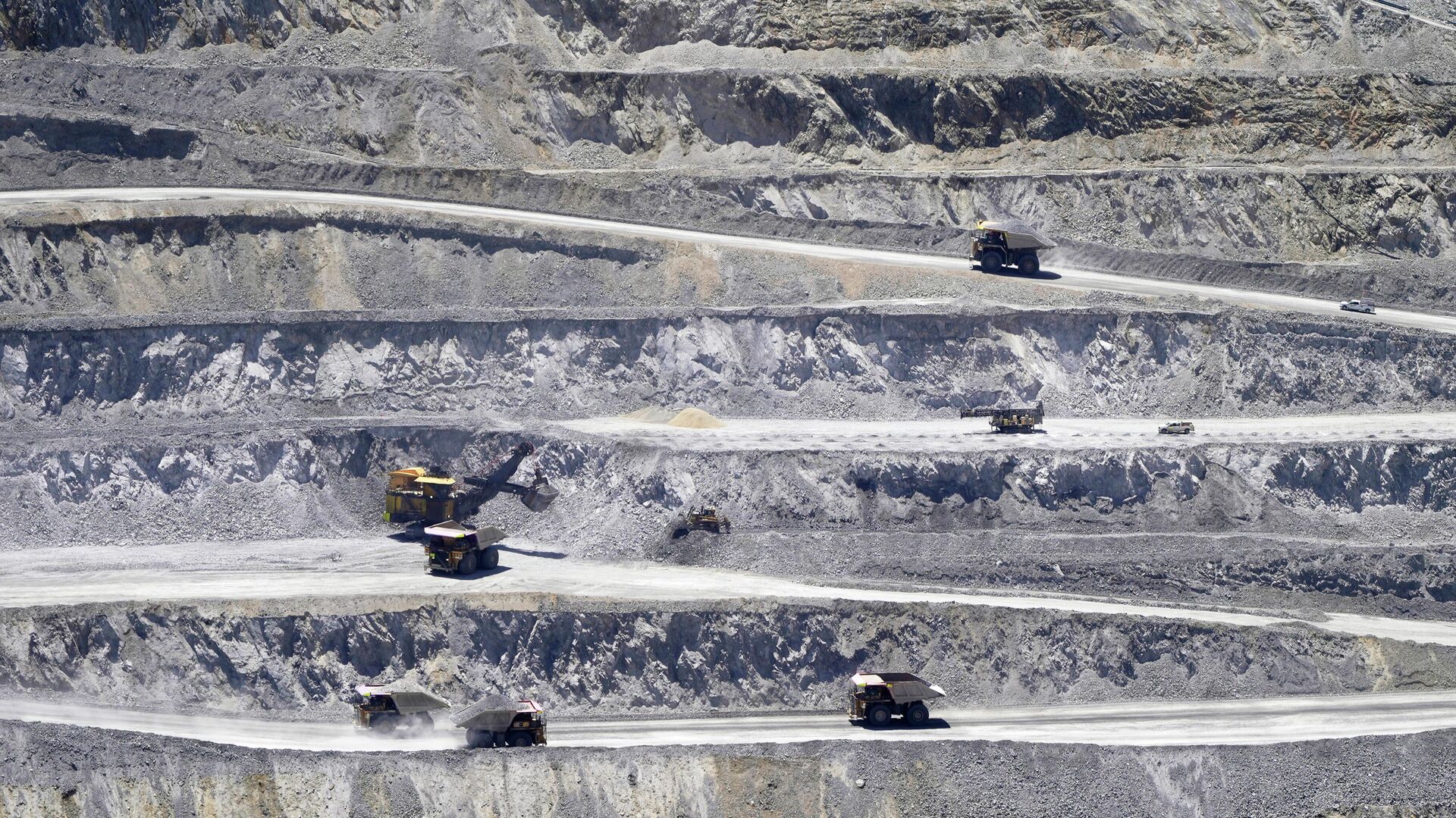
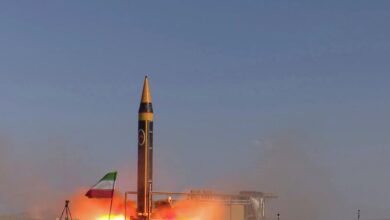
The US is scrambling for tungsten needed to replenish THAAD and Patriot interceptors, as well as Tomahawk missiles burned through during the Iran war, NBC News reports.Tungsten has traditionally been in high demand for the US defense industry, primarily for armor-piercing munitions, Ruslan Dimukhamedov, chair of the Association of Producers and Consumers of Rare and Rare Earth Metals, tells Sputnik. Meanwhile, «dominant applications of tungsten are civilian,» Dimukhamedov points out. «Primarily, it is used in cemented carbide tools, followed by alloy steels, then electrodes and filaments, and finally chemical compounds.» China currently controls around 80% of global tungsten mine production and there’s no substitute for the «war metal.» The US previously outsourced much of its tungsten and critical minerals industry to China — now China’s export controls, imposed in response to American tariffs, are backfiring on the US, stresses Igor Yushkov, an expert at the Financial University under the Government of the Russian Federation.
"If tensions between the US and China continue to escalate, China will undoubtedly use such tools —restricting exports — because they are highly sensitive for the United States," Ushkov stresses.
The way out of a potential shortage for the US is to ramp up production in other regions, but it would take time and money. WorldRare Earths, Rockets, and Biotech: Russia–China Global Strategy Unfolds21 May, 11:30 GMT