Pakistan Protests India’s Abeyance of Indus Waters Treaty
River Indus near Skardu (Pakistan)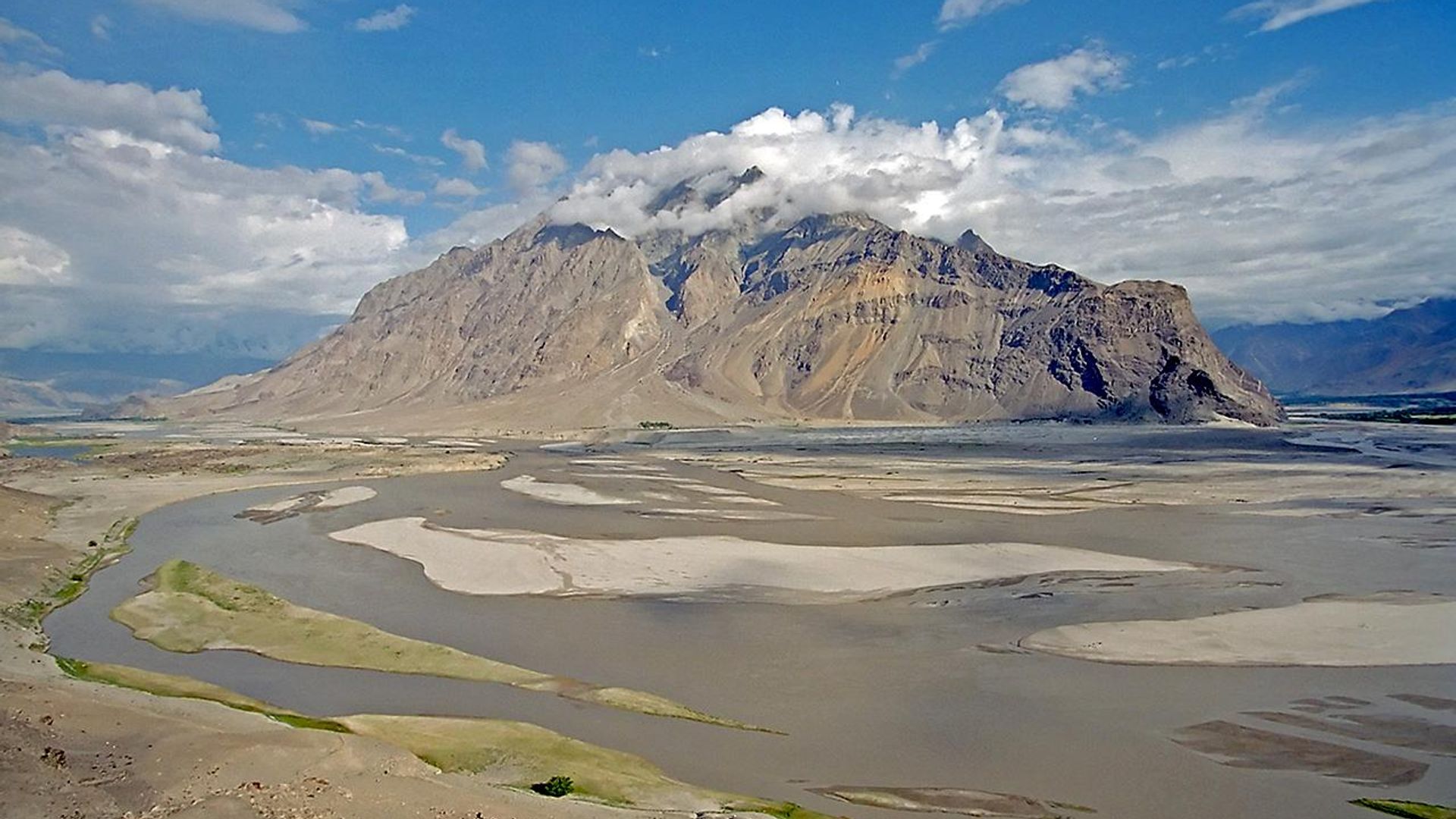
For more than six decades, the treaty had been regarded as a model of enduring cooperation, having survived three Indo-Pakistani wars and numerous periods of diplomatic tension up until April 2025.Pakistan’s Deputy Prime Minister and Foreign Minister Mohammad Ishaq Dar said Tuesday that Islamabad would pursue its rights under the Indus Waters Treaty through legal and diplomatic channels.“Shared waters must never be weaponized. They should remain a bridge between nations, guided by cooperation, dialogue and respect for international law for the benefit of present and future generations,” Dar said at an international conference on the treaty in Islamabad, as quoted by the Associated Press of Pakistan.»The sanctity of treaties is one of the foundations on which peaceful relations between nations are built,» he said.
What is the Indus Waters Treaty?
The Indus Waters Treaty was signed on September 19, 1960, in Karachi between India and Pakistan. The treaty divides the rivers of the Indus system into two groups:Eastern Rivers (Ravi, Beas, and Sutlej) — allocated to IndiaWestern Rivers (Indus, Jhelum, and Chenab) — allocated to PakistanAt the same time, the treaty permits each country certain uses of the rivers allocated to the other. Under the agreement, India is allowed to use the waters of the western rivers for domestic and non-consumptive purposes, limited agricultural use, and hydroelectric power generation, subject to specific conditions and engineering requirements set out in the treaty.The treaty also provides for the regular exchange of hydrological data and information on planned engineering works and water utilization projects.Implementation is overseen by the Permanent Indus Commission, comprising one commissioner from each country. Under Article IX, any questions arising under the treaty are first considered by the Commission. Depending on their nature, unresolved matters may be referred to a Neutral Expert or to a Court of Arbitration, in accordance with the procedures set out in the treaty. Asia Pakistan, Iran & the Gulf — a New Islamic Military Alliance Taking Shape?24 June, 18:11 GMT
Why the Indus is Pakistan’s Lifeline
For Pakistan, the Indus River system is the backbone of the national economy and the foundation of food security for more than 240 million people. The river network supports approximately 80% of Pakistan’s irrigated agricultural land.The agricultural sector, which relies almost entirely on Indus waters, contributes significantly to Pakistan’s GDP and employs nearly 40% of the country’s workforce. Cotton alone accounts for over 60% of national export earnings.Beyond agriculture, the Indus system is vital for:Food security — ensuring a stable supply of staple crops for the country’s rapidly growing populationHydropower generation — over 30% of Pakistan’s electricity comes from hydropowerIndustrial operations — textile manufacturing, food processing, and other industries depend on reliable water suppliesThe Indus basin is home to the world’s largest contiguous irrigation system, covering more than 16 million hectares of farmland. Minister of Information Attaullah Tarar stated: «We are not merely discussing a treaty, but the lifeline of 240 million people.» AnalysisPakistan’s Water Challenges: Russia’s Potential Role in Desalination and Recycling11 June, 15:10 GMT
Background of the Current Crisis
For more than six decades, the treaty was regarded as a model of enduring cooperation, having survived three Indo-Pakistani wars and numerous periods of diplomatic tension.The situation surrounding the treaty escalated sharply in April 2025 following a militant attack in the Pahalgam hill station of Jammu and Kashmir, which killed 26 civilians. India blamed Pakistan for the incident, while Pakistan officially denied any involvement.On April 23, 2025, the Indian government announced that it was placing its participation in the Indus Waters Treaty in abeyance (suspension). Pakistan maintains that India cannot unilaterally suspend the treaty and insists that the suspension is illegal under international law.