Frozen Assets Expedited, IAEA Access Denied — Ghalibaf
/ Go to the mediabankMohammad Bagher Ghalibaf 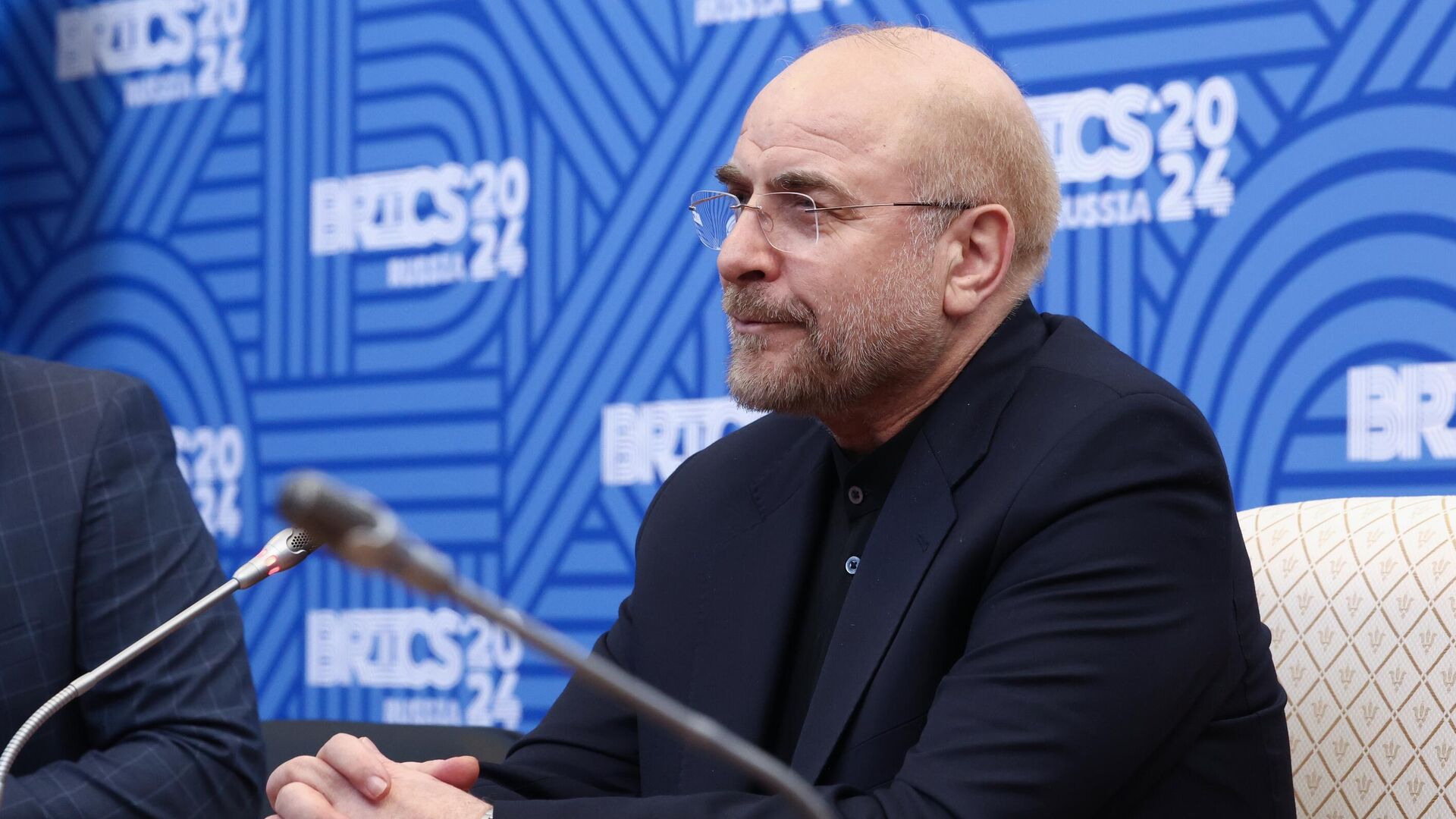 / Go to the mediabank
Iranian Parliament Speaker and chief negotiator Mohammad Bagher Ghalibaf has delivered a firm message on the implementation of the US‑Iran memorandum of understanding, confirming that the release of frozen assets was expedited during talks in Switzerland and that Tehran will strictly limit IAEA access to its nuclear sites.Ghalibaf’s remarks, reported by Press TV, come as the two sides enter the third week of negotiations under the MoU, with 45 days remaining until the August 18 deadline for a final agreement.The parliament speaker confirmed that the release of Iran’s frozen assets was accelerated during the Doha talks, and that sanctions on Iranian oil exports have been suspended.The developments mark a significant shift in the implementation of the 14‑point memorandum signed in June, which reopened the Strait of Hormuz and lifted restrictions on Iranian oil sales.Ghalibaf struck a defiant tone, stating that Iran’s «enemy understands only the language of strength» and that Tehran must confront it with strength.In a key rebuke to international expectations, Ghalibaf said that Iran will grant no access to IAEA inspectors beyond what has been authorized by the Supreme National Security Council.The statement comes after reports that Iran had granted IAEA access to sites bombed during the US‑Israeli strikes in February — a claim Ghalibaf dismissed as false.»We will grant the IAEA no access beyond what has been authorized by the Supreme National Security Council,» he said.The parliament speaker also emphasized that national unity is the top priority «above all else,» signaling that Tehran’s leadership remains focused on domestic cohesion amid the delicate diplomatic process.Following the US strikes on Iranian nuclear facilities in June 2025, Iran limited cooperation with the IAEA and access to nuclear facilities, stating that all decisions regarding interaction with the organization are made by Iran’s Supreme National Security Council.On June 13, Israel launched an operation against Iran, accusing it of pursuing a covert military nuclear program. The aerial bombardments and sabotage raids targeted nuclear facilities, military commanders, prominent nuclear physicists, and air bases.Iran denied the accusations and responded with its own attacks. The two sides exchanged strikes for 12 days, with the United States joining in, launching a one-time attack on Iranian nuclear facilities on June 22. After this, on the evening of June 23, Tehran launched missile strikes against the US-owned Al Udeid Air Base in Qatar, emphasizing that Iran had no intention of further escalation.US President Donald Trump then expressed hope that the strike on the US military base in Qatar had «let off steam» for Iran, and that a path to peace and harmony in the Middle East was now possible. He added that Israel and Iran had agreed to a ceasefire, which would officially end the 12-day war.