Sanctions Lifted: Iran Selling Oil 20% More Expensive — Ghalibaf
Gas flares burn near an oil well on the outskirts of Masjed Soleiman, a city where some of the first modern oil wells were discovered and drilled in the Middle East, in Khuzestan province, some 725 kilometers (435 miles) southwest of the Iranian capital, Tehran, Wednesday, Nov. 21, 2007.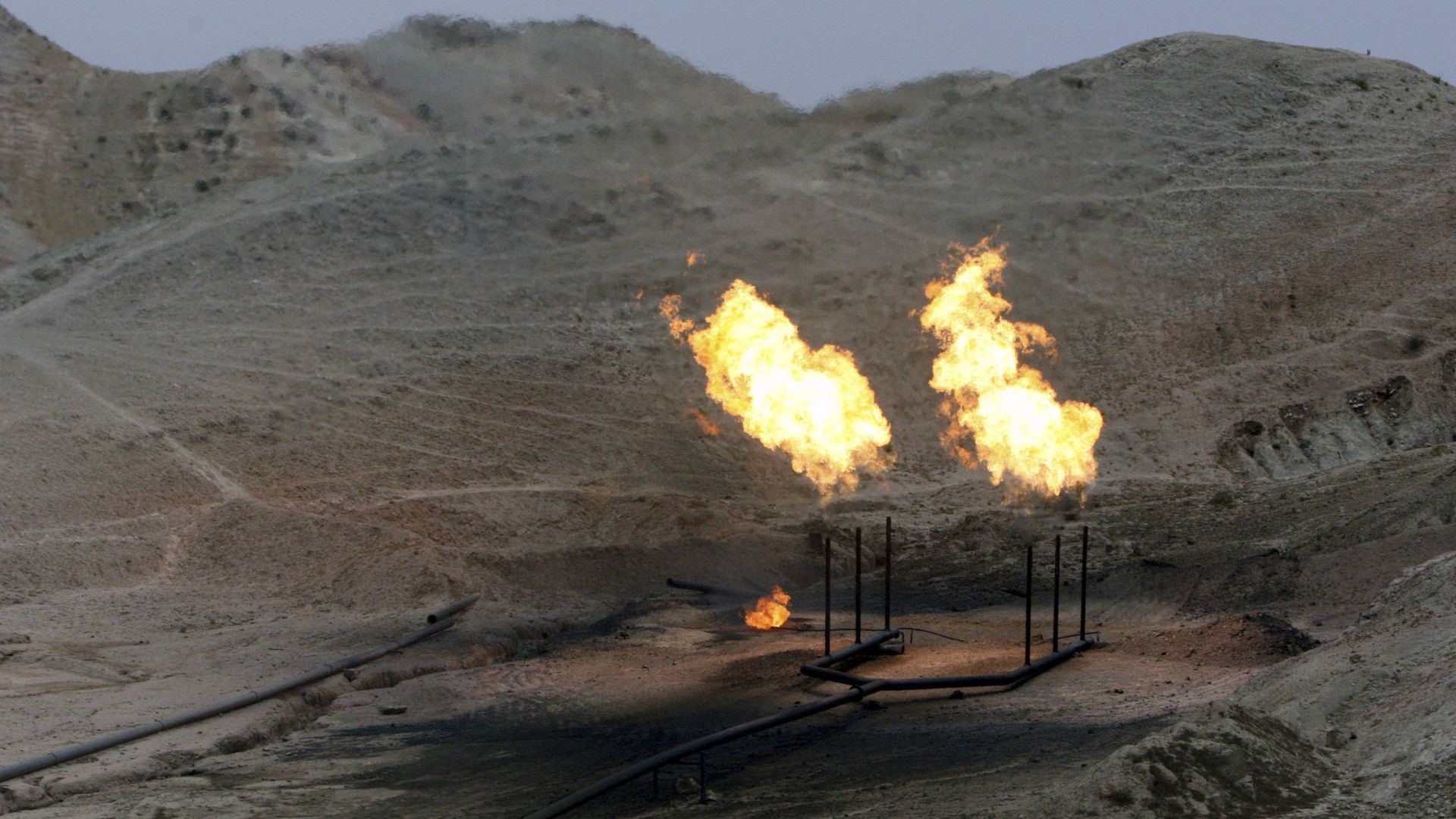
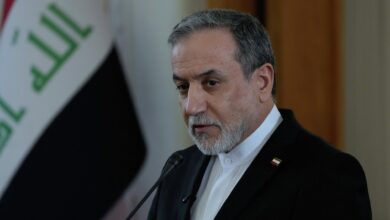
Iranian Parliament Speaker and chief negotiator Mohammad Bagher Ghalibaf has confirmed that oil exports are flowing again following the lifting of sanctions, with Tehran selling crude at prices 20% higher than before.»Since the day we lifted the blockade, we have exported more than 40 million barrels of oil,» Ghalibaf said in a television interview, dismissing earlier skepticism about the impact of sanctions relief.The lifting of sanctions was a key component of the US-Iran memorandum of understanding signed in June, which also included the release of frozen assets and the reopening of the Strait of Hormuz.Ghalibaf also pushed back against claims by US President Donald Trump that the released funds could only be used to purchase American agricultural products.»The Central Bank can purchase any goods it needs, at any price and in any currency worldwide,» Ghalibaf stated, asserting Iran’s full control over the use of its assets.The Iranian parliament speaker said Tehran intends to «increase the prosperity of the Strait day by day,» with plans to boost maritime traffic and lower insurance fees for vessels transiting the waterway.»We must show the world that security here is increasing day by day,» he added, suggesting that the strait’s reopening would be accompanied by a broader effort to restore confidence in the key global shipping route.Overnight into June 18, Iran and the United States remotely signed a memorandum that provides for an end to the military conflict that began on February 28. The document also sets timelines for the US to lift its naval blockade of Iranian ports and for Iran to restore shipping in the Strait of Hormuz.